Historical artifacts connect us to the past, offering a glimpse into ancient cultures, traditions, and innovations. But time takes its toll. Natural decay, environmental factors, and human handling can cause irreversible damage. When an artifact is lost, a piece of history disappears with it.
This is where 3D scanning makes a difference. By creating precise digital replicas, this technology preserves artifacts without physical contact. Museums, researchers, and historians can now document, study, and even restore historical pieces with unprecedented accuracy. It also helps track gradual deterioration, allowing experts to act before an artifact is beyond repair.
Beyond preservation, 3D scanning brings history to life. It enables virtual museum experiences, hands-on learning with 3D-printed replicas, and detailed digital archives for future research. Governments, universities, and cultural institutions are investing in this technology to ensure that heritage is protected, shared, and studied for generations to come.
How 3D Scanning Captures Every Detail
Knowing how 3D scanning works is important before understanding its impact. This process records every small feature of an artifact, making it possible to study and restore historical pieces with accuracy.
-
Light-Based Scanning for Delicate Artifacts
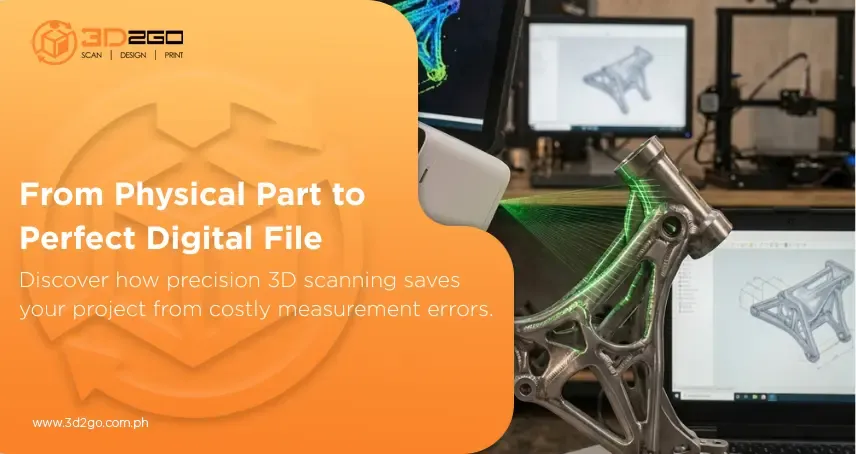
Some artifacts are too fragile to touch. Light-based scanners use lasers or structured light to scan surfaces without contact. This method prevents damage while capturing high-quality details.
-
Photogrammetry for a Realistic View
This method combines multiple photos taken from different angles. The software then stitches these images together to create a 3D model. It is useful for scanning significant artifacts, such as statues or buildings.
-
CT Scanning for Hidden Details
CT scanning is not just for medical use. It helps researchers see inside sealed artifacts without opening them. This method reveals hidden carvings, tools, or ancient scripts inside objects.
-
Handheld Scanners for On-Site Preservation
Some artifacts cannot be moved from their location. Handheld scanners allow archaeologists to scan objects in their original environment, ensuring the data is captured before any damage occurs.
How 3D Scanning Preserves Historical Artifacts
Traditional preservation methods involve cleaning, restoring, and sometimes moving artifacts. 3D scanning offers a safer way to preserve history.
1. Protecting Against Natural Decay
Artifacts exposed to air and moisture decay over time. 3D scans capture their condition before further damage happens. Museums can use these scans to monitor changes and plan restorations.
2. Reducing Handling Risks
Each time an artifact is handled, it risks damage. 3D scanning removes the need for frequent touching by providing a digital copy for study and display.
3. Saving Artifacts from Disasters
Fires, floods, and earthquakes can destroy historical pieces. Digital scans create backup versions, allowing future generations to study them even if the originals are lost.
4. Restoring Missing or Damaged Parts
Some artifacts are incomplete due to time or damage. 3D scans help experts recreate missing parts for better understanding and restoration.
Expanding Access to History
3D scanning does not just protect artifacts—it also makes them more accessible to people worldwide.
-
Virtual Museums for Global Visitors
Not everyone can visit museums in person. 3D scanning allows institutions to create online collections where people can explore artifacts from anywhere.
-
3D Printing for Educational Use
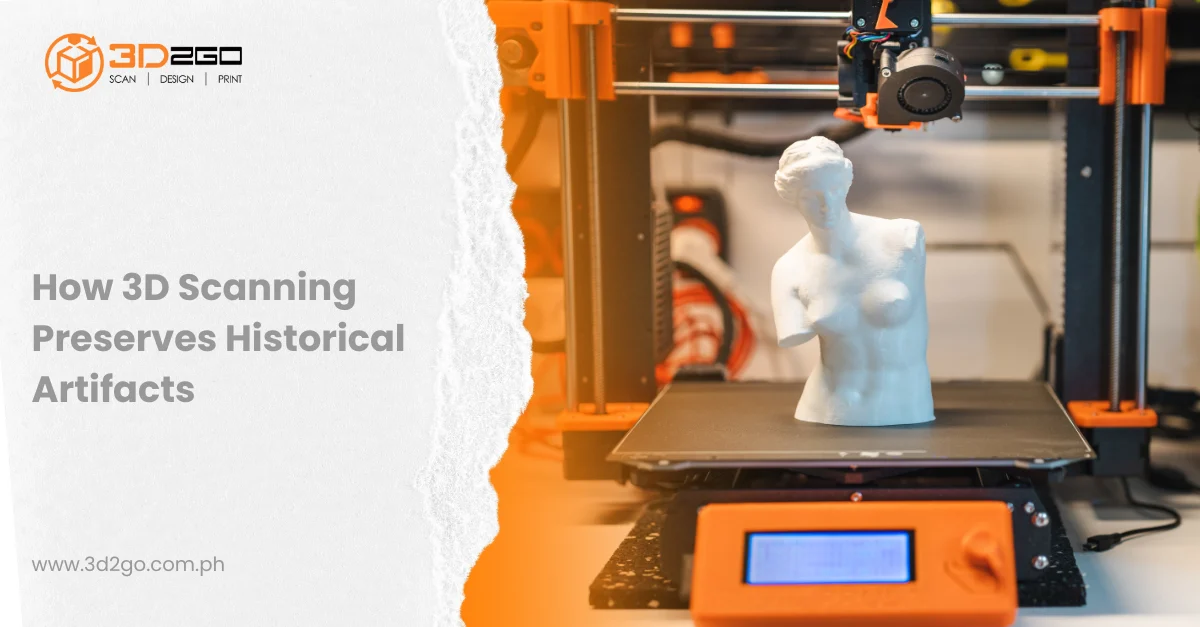
Students and researchers can print replicas of historical artifacts using 3D scanning data. This helps people study details up close without risking damage to the real object.
-
Digital Libraries for Future Research
Creating digital archives helps future researchers compare and study artifacts more effectively. These libraries store detailed models for use in history, art, and science studies.
-
Interactive Learning for Schools
Schools can use 3D models to make history lessons more engaging. Instead of just looking at pictures, students can explore digital replicas from different angles.
The Future of Artifact Preservation
3D scanning is constantly improving. New advancements will make preservation even better in the coming years.
1. AI-Enhanced Scanning for Faster Processing
Artificial intelligence is helping improve scan quality and speed. This allows experts to process large amounts of data in less time.
2. Cloud Storage for Universal Access
Storing 3D scans in the cloud ensures that data is not lost. Researchers, museums, and historians can access these files anytime, from anywhere.
3. Augmented Reality for Immersive Experiences
Augmented reality (AR) lets people interact with 3D-scanned artifacts in new ways. Users can see historical pieces in their original form through AR applications.
4. More Affordable Scanning Tools
As technology advances, 3D scanning tools are becoming more affordable. This means smaller museums and research groups can use them to protect their collections.
Preserve the Past with 3D2Go
Historical artifacts hold stories that deserve to be protected and shared. With 3D2Go’s advanced 3D scanning services, you can safeguard priceless cultural treasures for future generations. Whether you’re a museum, historian, researcher, or cultural institution, we provide precise, contact-free scanning to digitize artifacts with unmatched accuracy.
From delicate antiques to large historical structures, our technology captures every detail, ensuring preservation without the risk of damage. We also offer 3D printing and digital archiving solutions, making history more accessible through virtual exhibits, replicas, and interactive learning tools.
Let’s work together to protect and celebrate history. Contact 3D2Go today to learn how our scanning services can help preserve your valuable artifacts.