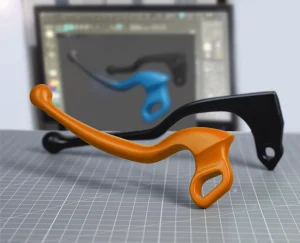
Rapid Prototyping

PROTOTYPE WITH CONFIDENCE

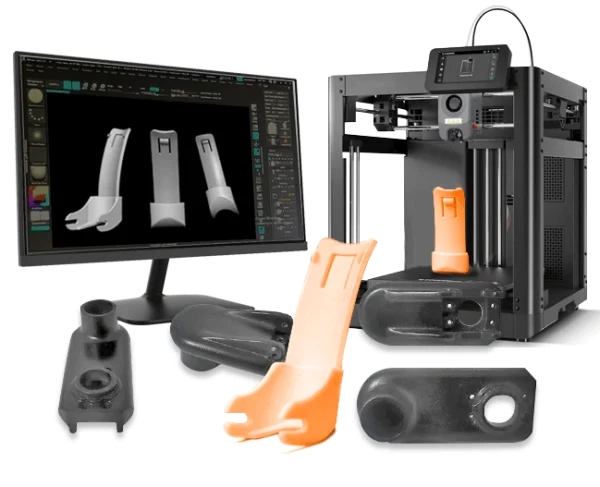
When speed matters and precision counts, 3D rapid prototyping is your smartest move. At 3D2GO, we don’t just turn ideas into objects; we help you shape, test, and perfect them with purpose. Whether you’re developing a product from scratch or improving an existing design, rapid prototyping process gives you the flexibility to make fast decisions with fewer risks.

Gone are the days of waiting weeks for a single prototype. With our in-house capabilities, you can get a physical model in days, sometimes even hours, ready for testing, presentation, or pitch.

Rapid prototyping isn’t just about speed; it’s about smart development. That’s how, our team knows the ins and outs of materials, scaling, and function. We guide you through each step helping you choose what works best for your ideas.

Let’s move from concept to creation, without the wait.

TYPES OF RAPID PROTOTYPING

3D2GO utilizes several methods to create 3D prototypes


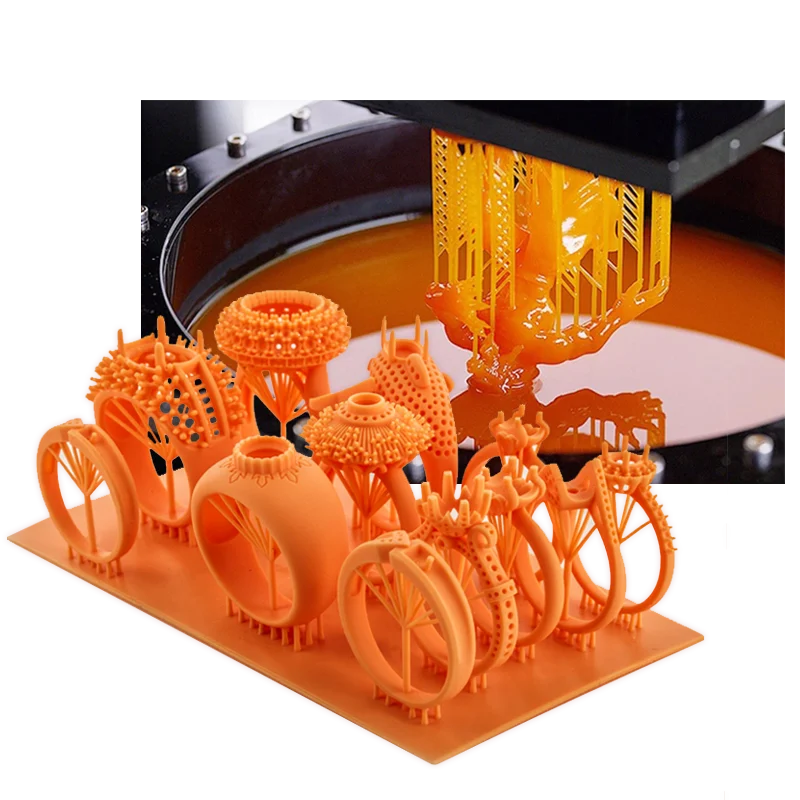
Liquid-based Prototyping

The initial form its material is in is a liquid state. It converts into solid state through the process of curing. This process occurs layer by layer, which ensures precision and accuracy in the final model.

StereoLithography (SLA) is considered as the most widely used rapid prototyping technology. It uses a low-power, highly focused UV laser to produce a 3D object in a vat of liquid photosensitive polymer.

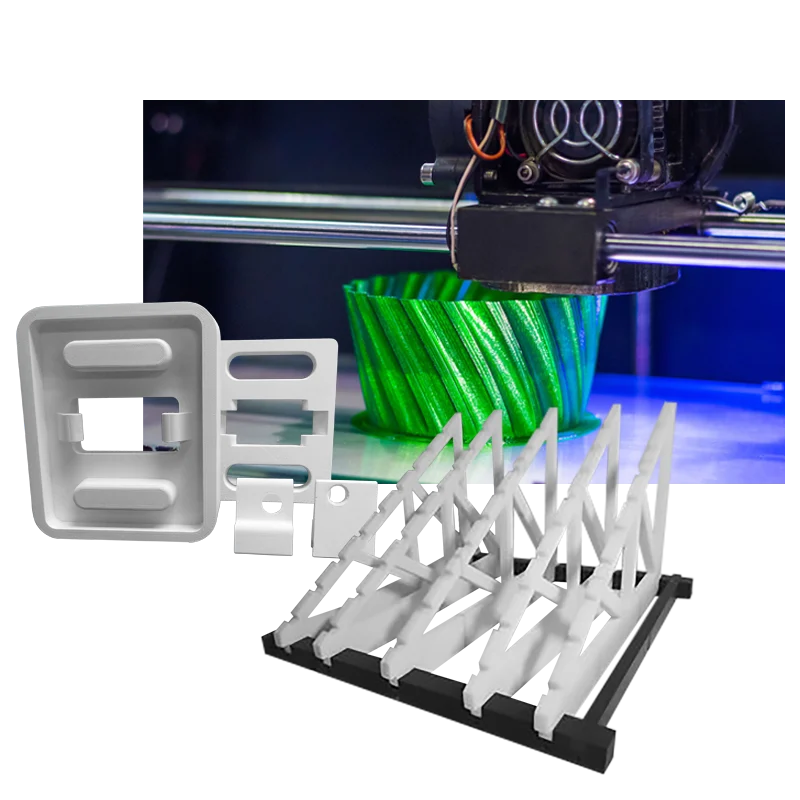
Solid-based Prototyping

Encompasses all forms of materials in the solid state. It includes the shape of a wire, rod, filaments, and pellets.

There are two types of solid-based prototyping: Fused Deposition Modeling (FDM), which extrudes plastic or wax through a nozzle layer by layer, and Laminated Object Manufacturing (LOM), which fuses layers of plastic or paper using heat and pressure before cutting them into shape.

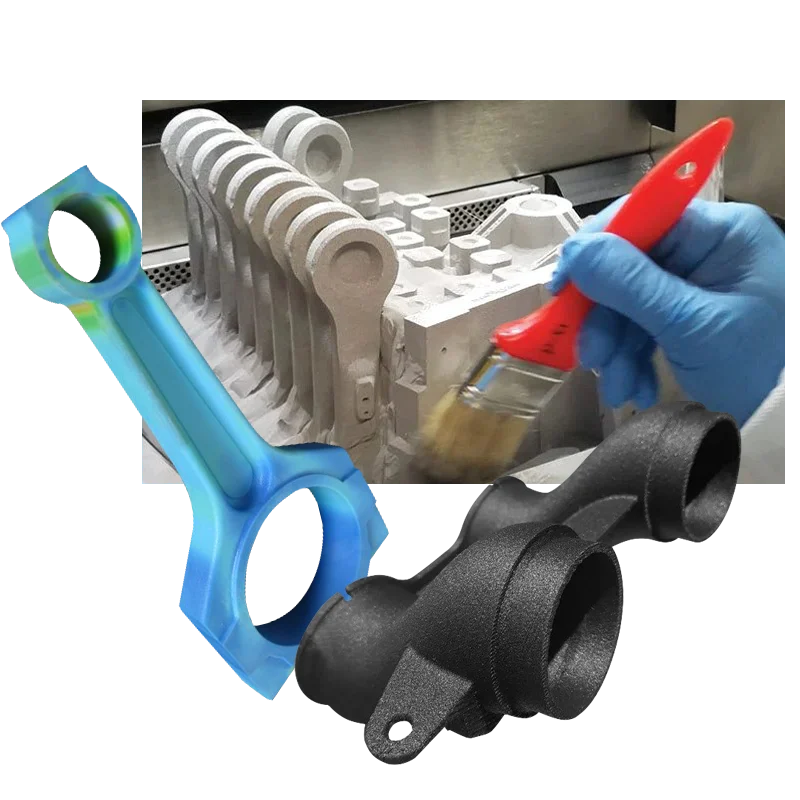
Powder-based Prototyping

Although in a solid state, its not considered as solid based to mean powder in grain like form. It is the consolidated material, not granules.

There are three types of powder-based prototyping: Selective Laser Sintering (SLS), which uses plastic or ceramic with a laser; 3D printing, which uses a liquid binder instead of a laser; and Direct Metal Laser Sintering, which creates detailed metal parts in one process.

Get Prototypes That Work For You.

No more waiting weeks to see if your concept holds up — now you can test, tweak, and move forward in days. That speed doesn’t just keep projects moving; it keeps businesses ahead. With fewer delays and fewer revisions, you save time, energy, and money. Whether you’re refining a small detail or building a full-scale model, rapid prototyping helps you fit faster, fit smarter, and launch stronger.

Why stay stuck in the drawing phase when you can build, test, and improve—in person?

Benefits of 3D Rapid Prototyping

This technique gives you the opportunity to test and analyze the design of a product.

01

Accelerates Product Development

Reduce time-to-market with fast and reliable 3D prototyping solutions.

02

Cost-Efficient Revisions

Avoid expensive design mistakes by testing early and often.

03

Improve Design Accuracy

Catch Design Flaws Early and Make Quick Fixes. Spot design issues right away to minimize costly revisions.

04

Test Functional Iterations

Get your feedback and turn it into a better, market-ready product.

05

Turn for Real-World Use

See how your product performs in real situations before committing to full production. Adjust materials, sizing, or functionality with confidence.

Free Quote

We’d love to hear from you! Fill out the form below and we’ll get in touch with you as soon as possible.